Community Resilience Programme
A whole programme on a single surface. What the work is, where it lives, who carries it, and how steadiness is built back into a place one neighbourhood at a time.
Programme period · 2026–2029
The picture in brief
Mogadishu carries decades of strain, and it also carries decades of people who refused to leave each other behind. This programme works inside that second story. It starts from what a community already holds and builds outward from there, patiently, at the pace that trust allows.
We work close to the ground, beside the people who carry the load each day. Nothing here is imported whole. Every approach is shaped with the people it serves, tested against the texture of real life, and kept only if it makes the day a little steadier.
The work lives where life happens. In homes and courtyards, in classrooms and open yards, in the ordinary places where a neighbourhood decides, day by day, what kind of future it is willing to hold out for.
We move with elders and youth, with mothers and teachers, with local groups who were here long before us and will be here long after. Partnership is not a logo on a page. It is showing up the same in the quiet seasons as in the loud ones.
Programme pillars at a glance
Six pillars, one programme. Each holds a part of the same promise, that a place can become safer and more itself without being remade by anyone from outside.
| Pillar | Community groups | Sessions | Facilitators | Households reached |
|---|---|---|---|---|
| 01Safe spaces | 9 | 138 | 14 | 1,920 |
| 02Youth pathways | 7 | 96 | 11 | 1,440 |
| 03Household support | 8 | 120 | 12 | 1,610 |
| 04Community dialogue | 11 | 162 | 9 | 1,180 |
| 05Survivor care | 6 | 84 | 10 | 980 |
| 06Local systems | 5 | 60 | 8 | 1,270 |
| All pillars | 46 | 660 | 64 | 8,400 |
Reach and rhythm
Figures on this sheet are illustrative placeholders. The metric band, the table, and both charts are driven by one shared dataset, so a live programme record drops into these same structures field for field, with no redesign.
Main lines of intervention
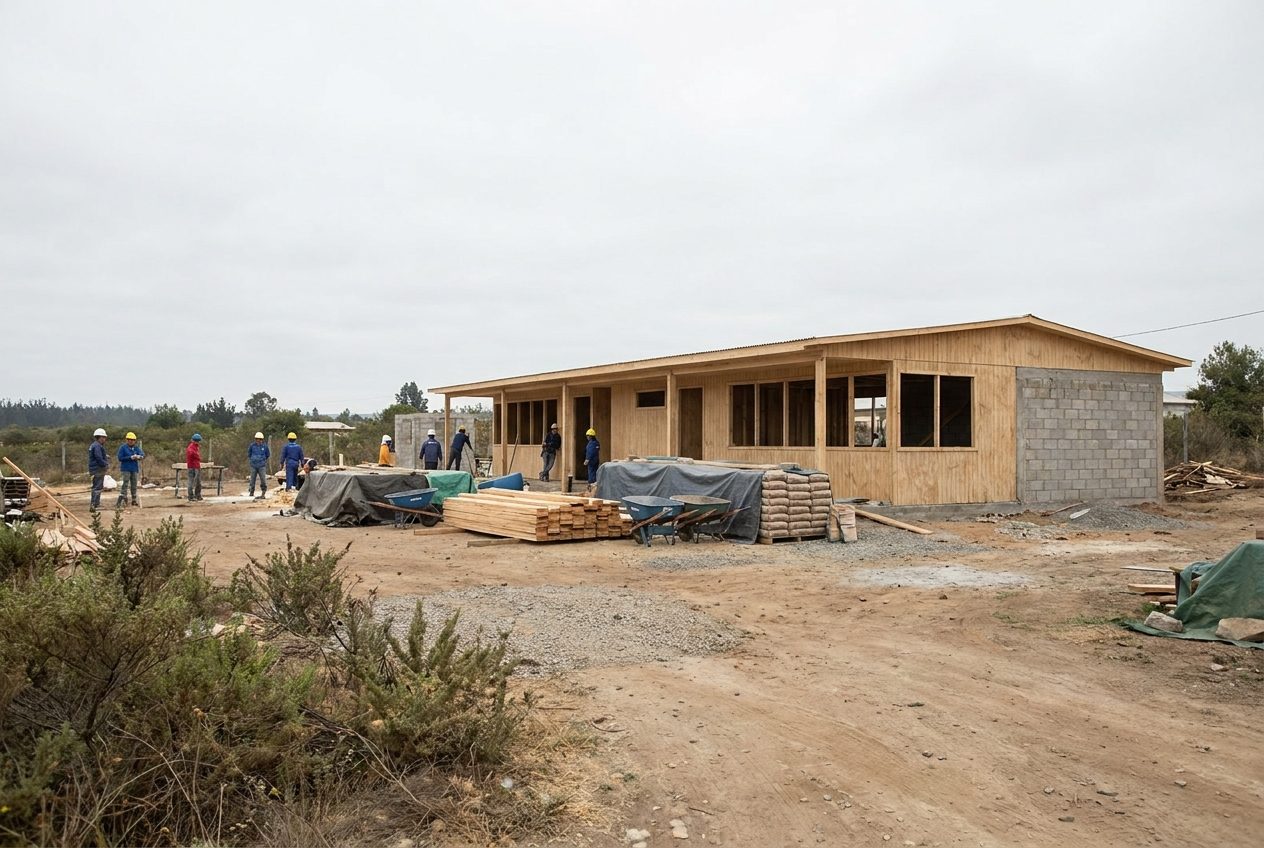
Places where a young person can put the weight down for an hour and be met as a whole person. Safe spaces are the first thing a community asks for and the last thing it lets go of.
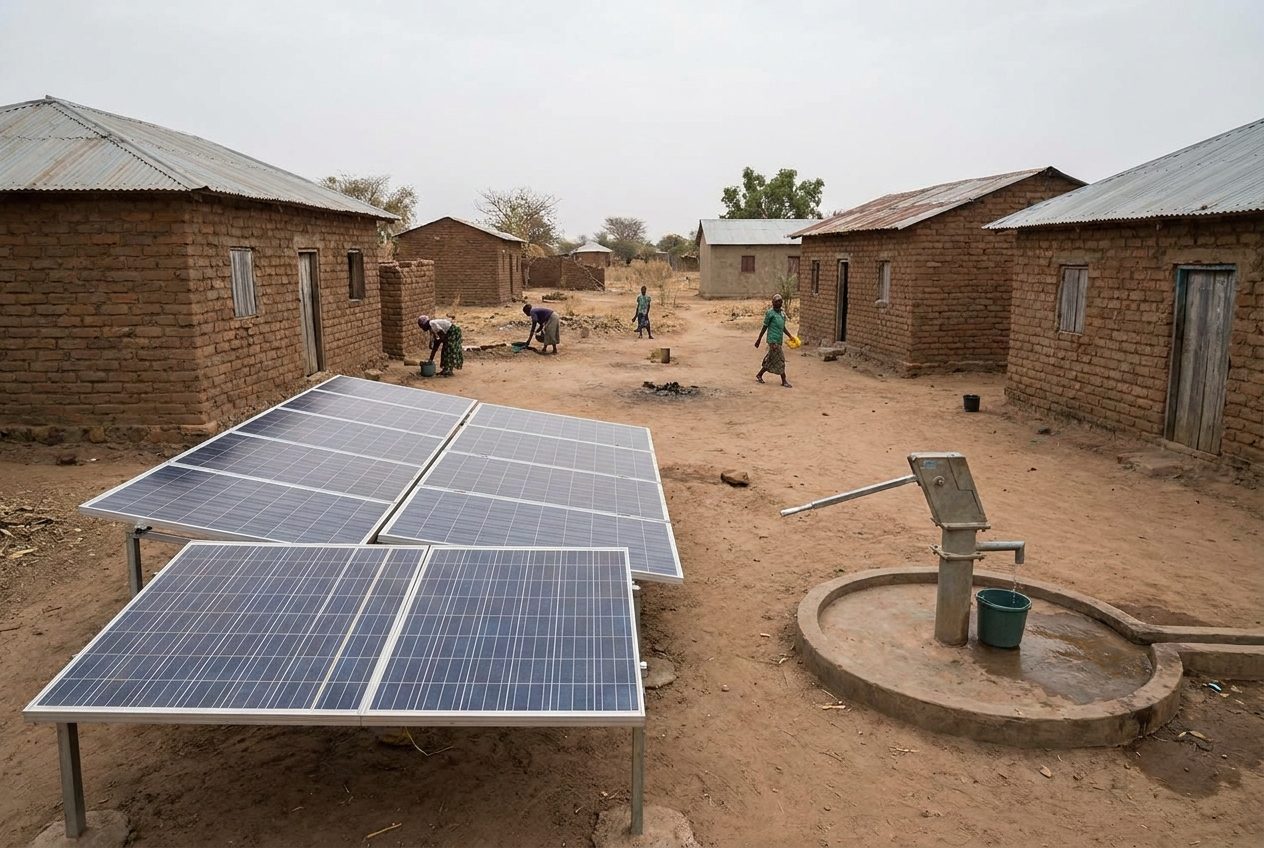
Skills, a footing, and a reason to stay. Pathways turn restless energy into a trade, a routine, and a place in the life of the neighbourhood.
Peace is built at the kitchen table as much as anywhere. We support households to steady themselves, because a child is only as safe as the home around them.
The slow work of bringing a street back into conversation with itself. Dialogue does not erase a grievance. It gives people a way to carry it together instead of alone.
Care that meets people with dignity and without conditions. Healing keeps no schedule. We stay for as long as it takes to feel fully human again.
We strengthen the institutions a community already trusts, so the work outlasts any single programme and belongs to the place itself.
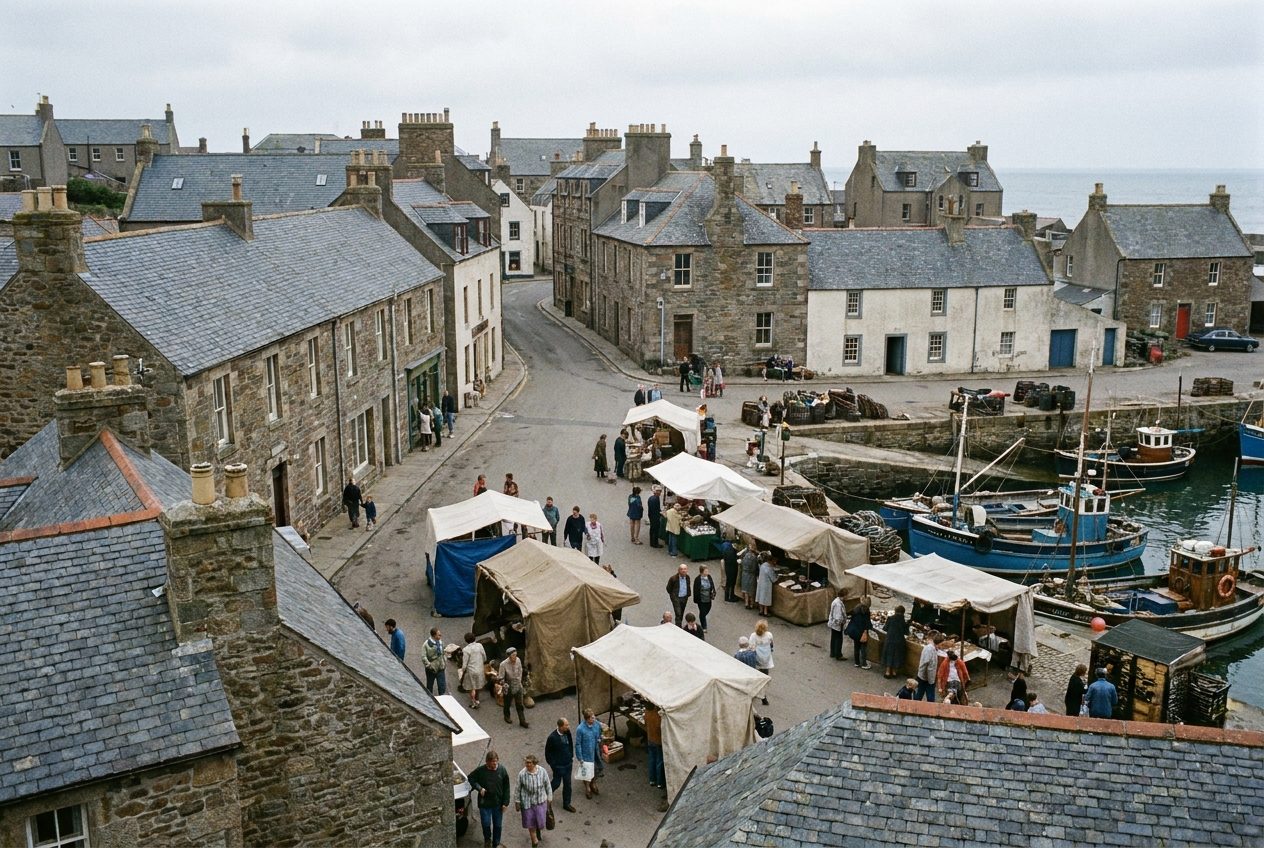
A place holding itself together. Ordinary life organised around what is shared, the texture this work is finally for.
What holds across everything
Every decision begins from the assumption that the person in front of us is whole, capable, and worth the long effort. Dignity is not a reward at the end. It is the starting condition.
The people closest to a problem hold most of the answer. Our job is to make room for that knowledge, resource it, and then get out of its way.
In a fragile place a small mistake travels far. We move carefully, listen before we act, and measure success by whether the people carrying the most are carrying a little less.
Crisis is loud and brief. Belonging is quiet and long. We choose the long work, because the things that truly hold a place together are not built in a single season.
Elman Peace
Mogadishu, Somalia
Community Resilience Programme, a single coordinated effort across six pillars, delivered with local partners.
The complete dossier and the live dataset behind this sheet are held with the programme office.
elmanpeace.org